
Sowing Time & Methods for Sustainable Tobacco Cultivation
Introduction
Sowing time and sowing methods play a decisive role in determining the success of any crop, and tobacco cultivation is no exception. Proper timing ensures healthy germination, vigorous seedling growth, and uniform crop establishment, while suitable sowing methods help conserve soil, water, and other natural resources. In the present era, farmers and agri‑entrepreneurs are increasingly adopting eco‑friendly and sustainable practices to protect soil fertility, biodiversity, and long‑term productivity. This article provides a comprehensive, SEO‑optimized, and environmentally responsible guide on sowing time and methods for tobacco cultivation, suitable for educational and informational agricultural websites.
Importance of Correct Sowing Time
Selecting the right sowing time is critical because tobacco is highly sensitive to climatic conditions such as temperature, rainfall, and day length. Sowing at the correct time ensures:
Uniform germination and seedling establishment
Reduced pest and disease pressure
Efficient use of soil moisture and nutrients
Better leaf quality and yield
Lower dependence on chemical inputs
Incorrect sowing time may lead to poor germination, stunted growth, or increased vulnerability to pests and diseases, ultimately affecting both yield and quality.
Climatic Requirements for Sowing
Tobacco seeds are small and delicate, requiring specific environmental conditions for successful germination.
Temperature: Ideal germination temperature ranges between 20°C and 30°C.
Humidity: Moderate humidity favors seedling growth, especially during nursery stages.
Rainfall: Light and well‑distributed rainfall is beneficial, while heavy rains may damage young seedlings.
Sunlight: Adequate sunlight is required, but excessive heat during early stages should be avoided.
Understanding local climate patterns helps farmers choose the most suitable sowing window.
Ideal Sowing Time in Different Regions
Tropical and Subtropical Regions
In tropical and subtropical areas, tobacco is usually sown during cooler months to avoid excessive heat stress.
Nursery sowing: September to October
Transplanting: November to December
Semi‑Arid Regions
In semi‑arid regions, sowing time depends largely on rainfall availability and irrigation facilities.
Nursery sowing: October to November
Transplanting: December to January
Rainfed Areas
In rainfed conditions, sowing is synchronized with the onset of mild rainfall to ensure sufficient soil moisture.
Nursery sowing: August to September
Transplanting: October to November
Timely planning based on regional climate helps in achieving optimal crop performance with minimal environmental stress.
Nursery Raising: The Foundation of Healthy Crop
Tobacco is generally raised through nurseries before transplanting to the main field. Nursery management is crucial for producing healthy and uniform seedlings.
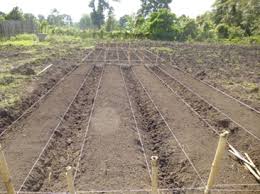
Eco‑Friendly Nursery Site Selection
Choose well‑drained, fertile soil rich in organic matter
Avoid low‑lying areas prone to waterlogging
Select a site with easy access to clean water
Nursery Bed Preparation
Prepare raised beds to improve drainage and aeration
Incorporate well‑decomposed farmyard manure or compost
Avoid excessive use of chemical fertilizers
Seed Treatment and Sowing
Use certified and high‑quality seeds
Treat seeds with bio‑agents or natural fungicides
Sow seeds evenly on the surface and cover lightly with fine soil or compost
These eco‑friendly practices enhance germination while maintaining soil health.
Sowing Methods in Nursery
Broadcasting Method
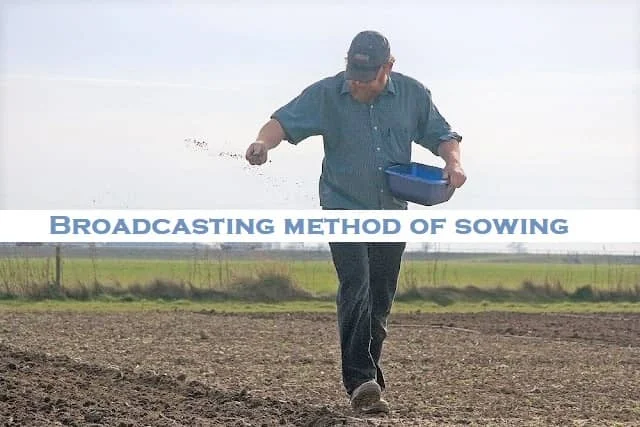
In this method, seeds are evenly broadcast over the nursery bed.
Advantages:
Simple and low‑cost
Suitable for small‑scale farmers
Limitations:
Uneven seed distribution
Higher seed requirement
Transplanting Time and Field Preparation
Seedlings are usually ready for transplanting 40–50 days after sowing, when they attain 12–15 cm height and develop healthy roots.
Ideal Time for Transplanting
Early morning or late afternoon
Mild weather conditions
Adequate soil moisture
Eco‑Friendly Field Preparation
Deep ploughing followed by harrowing
Incorporation of organic manures and green manure crops
Formation of ridges and furrows to conserve moisture
Proper field preparation ensures better root penetration and nutrient uptake.
Sowing and Planting Methods in Main Field:
Transplanting on Flat Beds
Seedlings are planted on leveled fields.
Advantages:
Suitable for well‑drained soils
Easy irrigation management
Ridge and Furrow Method
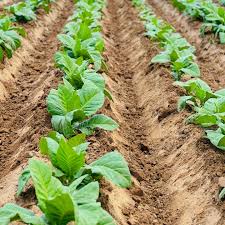
Seedlings are planted on ridges with furrows for irrigation.
Advantages:
Improved drainage and aeration
Efficient water use
Reduced soil erosion
This method is widely recommended for sustainable tobacco cultivation.
Mulching‑Based Planting
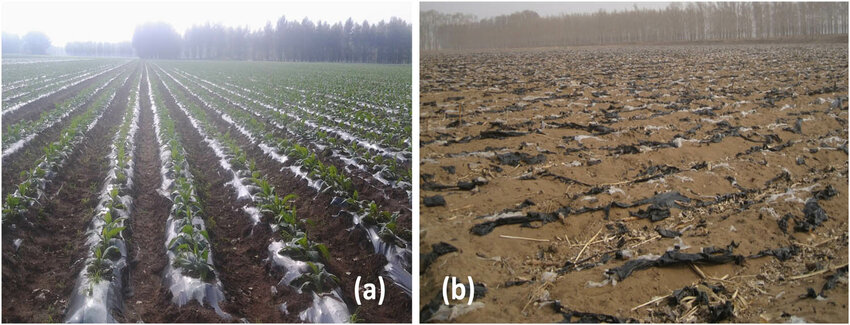
Organic mulches such as straw or crop residues are applied after transplanting.
Benefits:
Conserves soil moisture
Suppresses weeds
Enhances soil organic matter
Mulching significantly reduces the need for chemical herbicides, making it an eco‑friendly practice.
Spacing and Plant Density
Proper spacing is essential for balanced growth and airflow.
Row spacing: 90–100 cm
Plant spacing: 50–60 cm
Adequate spacing reduces disease incidence and ensures uniform leaf development.
Water and Nutrient Management During Sowing
Sustainable Irrigation Practices
Use drip or furrow irrigation to minimize water loss
Avoid over‑irrigation during early stages
Schedule irrigation based on soil moisture
Organic Nutrient Inputs
Apply compost, vermicompost, or biofertilizers
Encourage beneficial soil microorganisms
Balanced nutrient management improves soil health and crop resilience.
Pest and Disease Management at Early Stage
Eco‑friendly sowing methods help reduce pest and disease pressure.
Use resistant or tolerant varieties
Maintain proper spacing and airflow
Apply botanical extracts and bio‑pesticides
Healthy seedlings are less susceptible to early‑stage infestations.
Benefits of Eco‑Friendly Sowing Practices
Adopting sustainable sowing time and methods offers multiple benefits:
Improved soil fertility and structure
Reduced environmental pollution
Lower input costs over time
Better quality produce
Long‑term farm sustainability
Eco‑friendly agriculture not only protects natural resources but also supports farmer livelihoods.
Common Mistakes to Avoid
Sowing too early or too late
Overcrowding seedlings
Excessive use of chemical inputs