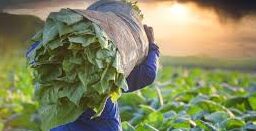
Seed Selection for Tobacco Crops:
Seed selection is one of the most critical steps in successful tobacco cultivation. The quality of seed directly influences germination rate, plant vigor, resistance to pests and diseases, leaf quality, and overall yield. Even with ideal soil, climate, and management practices, poor seed selection can lead to weak plants and reduced profitability. Therefore, understanding how to select the right tobacco seeds is essential for farmers aiming for sustainable and high-quality production.
Importance of Seed Selection in Tobacco Cultivation
Seed selection forms the foundation of the entire tobacco crop cycle. High-quality seeds ensure:
Uniform germination and healthy seedlings
Better adaptability to local soil and climate
Higher resistance to pests and diseases
Improved leaf size, texture, and chemical composition
Increased yield and better curing quality
Since tobacco is a sensitive crop with specific quality requirements, seed quality plays a major role in meeting market standards and buyer expectations.
Understanding Tobacco Seed Characteristics:
Tobacco seeds are extremely small and delicate. One gram of tobacco seed can contain thousands of seeds, making precision in selection and handling very important.
Key Characteristics of Good Tobacco Seeds
High germination percentage (above 85%)
Uniform size and shape
Free from physical damage and impurities
True to variety
Free from seed-borne diseases
Healthy seeds appear clean, well-developed, and have a natural color specific to the variety.
Types of Tobacco Crops and Their Seed Requirements
Different tobacco types require specific seed characteristics depending on their end use.
1. Flue-Cured Tobacco (FCV)
Requires seeds that produce large, thin, bright leaves
High nicotine control and uniform maturity are essential
Seeds must adapt well to controlled curing conditions
2. Burley Tobacco
Seeds should produce light-colored leaves with low sugar content
Uniform growth and good air-curing ability are important
3. Oriental Tobacco
Requires seeds that produce small, aromatic leaves
Adaptability to dry conditions is a key factor
4. Dark Tobacco
Seeds should result in thick, strong leaves
High tolerance to diseases and pests is essential
Selecting seeds suitable for the specific tobacco type ensures better market acceptance.
Sources of Tobacco Seeds
Choosing the right seed source is as important as selecting the variety.
1. Certified Seed Suppliers
Certified seeds are tested for purity, germination, and disease resistance. These seeds provide consistent performance and are recommended for commercial cultivation.
2. Research Institutions and Agricultural Universities
Government research stations and agricultural universities develop region-specific tobacco varieties. Seeds obtained from these institutions are reliable and well-adapted to local conditions.
3. Company-Supplied Seeds
Tobacco companies often provide seeds to contract farmers. These seeds are selected to meet industry standards and curing requirements.
4. Farmer-Saved Seeds
Some experienced farmers collect seeds from healthy plants. However, this method requires careful selection and proper storage to avoid loss of quality.
Criteria for Selecting Tobacco Seeds
1. Variety Selection
Choose a variety recommended for your region, soil type, and climate. Regional suitability ensures better growth and disease resistance.
2. Germination Ability
Conduct a germination test before sowing. Seeds with low germination rates should be avoided as they lead to uneven nursery growth.
3. Disease Resistance
Select seeds from varieties known for resistance to common tobacco diseases such as:
Damping-off
Mosaic virus
Leaf spot
Root rot
Disease-resistant seeds reduce crop losses and minimize chemical usage.
4. Yield Potential
High-yielding varieties provide better returns when combined with proper crop management.
5. Leaf Quality
Seed selection should focus on leaf characteristics such as size, thickness, texture, and color, which directly affect curing quality and market value.
Seed Selection from Standing Crop (Farmer-Level Selection)
For farmers who save seeds, careful selection from standing crops is essential.
Steps for Selecting Seeds from Plants
Select healthy, vigorous plants free from pests and diseases
Choose plants with uniform growth and good leaf quality
Allow seed capsules to mature fully on the plant
Avoid plants affected by viral or fungal infections
Only seeds collected from superior plants should be used for the next season.
Seed Processing and Cleaning
After harvesting seed capsules, proper processing ensures seed quality.
Processing Steps
Drying: Seed capsules should be dried under shade to maintain viability.
Threshing: Capsules are gently crushed to release seeds.
Cleaning: Remove chaff, dust, and damaged seeds using sieves or air separation.
Grading: Select uniform and well-developed seeds.
Proper cleaning prevents contamination and improves germination performance.
Seed Treatment for Better Performance
Seed treatment enhances germination and protects young seedlings.
Common Seed Treatments
Fungicide treatment to prevent damping-off
Hot water treatment to reduce seed-borne diseases
Biological treatments using beneficial microbes
Seed treatment should be done carefully to avoid damaging the tiny tobacco seeds.
Storage of Tobacco Seeds
Correct storage is crucial to maintain seed viability.
Ideal Storage Conditions
Cool and dry environment
Low humidity (below 50%)
Airtight containers or moisture-proof packets
Protection from sunlight
Seeds stored under ideal conditions can remain viable for several years.
Common Mistakes in Tobacco Seed Selection
Using old or improperly stored seeds
Selecting seeds from diseased plants
Ignoring regional variety recommendations
Mixing different varieties
Skipping germination testing
Avoiding these mistakes helps maintain crop uniformity and productivity.
Role of Seed Selection in Sustainable Tobacco Farming
Quality seed selection contributes to sustainable farming by:
Reducing chemical input usage
Improving water and nutrient efficiency
Enhancing resilience to climate stress
Supporting consistent crop quality
Sustainable seed selection practices help farmers maintain soil health and long-term productivity.
Seed Selection and Nursery Performance
The nursery stage is highly sensitive to seed quality.
Good seeds ensure:
Uniform seedling emergence
Strong root development
Reduced seedling mortality
Better transplant survival
Poor-quality seeds often result in weak seedlings and uneven field growth.
Conclusion:
Seed selection is a fundamental step in tobacco cultivation that determines the success of the entire crop. Choosing high-quality, disease-free, and region-appropriate seeds ensures better germination, healthier plants, improved leaf quality, and higher yields. Whether sourcing seeds from certified suppliers, research institutions, or farmer-saved stock, careful evaluation and proper handling are essential.
By following scientific seed selection practices, farmers can reduce risks, improve profitability, and promote sustainable tobacco farming. Investing time and effort in selecting the right seeds is not an expense but a long-term investment in crop success.
Useful information, this shows importance of seeds and help farmers and people who do nursery business in tobacco.