
Tobacco cultivation is a highly sensitive agricultural practice that requires proper disease management to ensure high yield and premium leaf quality. Tobacco crops are vulnerable to several fungal, bacterial, and viral diseases that can significantly reduce productivity and profitability. Understanding common tobacco diseases, their symptoms, causes, and control measures is essential for successful tobacco farming.
In this detailed guide, we will explore the most common tobacco plant diseases and practical management strategies for farmers.
1. Black Shank Disease in Tobacco
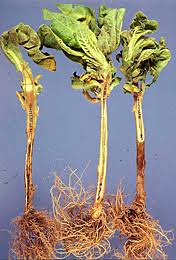
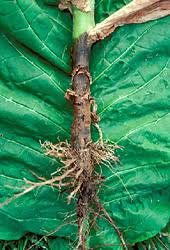
Black shank is one of the most destructive diseases affecting tobacco crops worldwide. It is caused by the soil-borne fungus Phytophthora nicotianae.
Symptoms
Sudden wilting of plants
Blackened stem near soil level
Yellowing of leaves
Root rot
Plant collapse in severe cases
The disease usually appears during warm and wet conditions. Waterlogged fields increase the severity of infection.
Causes
Poor drainage
Continuous tobacco cropping
Infected soil or plant debris
Management
Use resistant tobacco varieties
Practice crop rotation (avoid planting tobacco repeatedly in the same field)
Ensure proper drainage
Apply recommended fungicides
Use raised beds to prevent water stagnation
2. Tobacco Mosaic Virus (TMV)
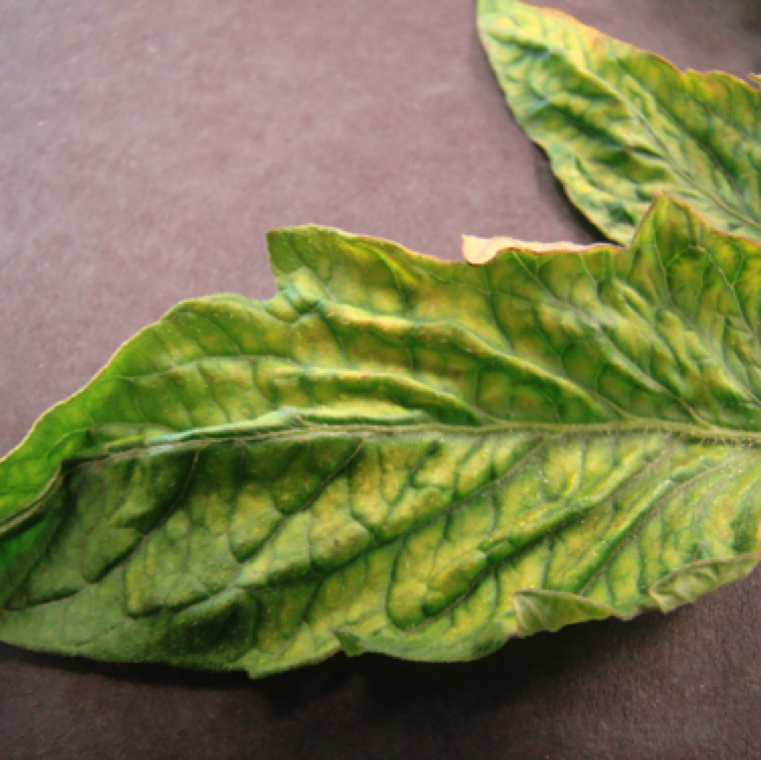
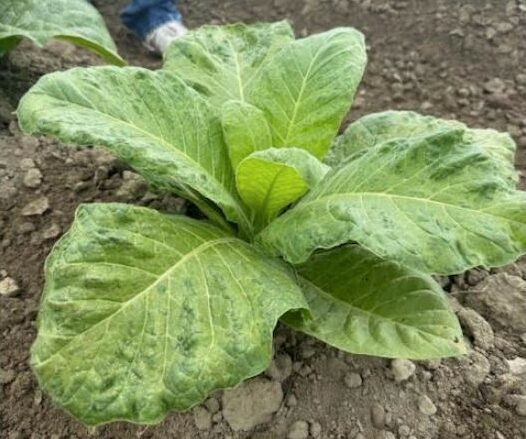
Tobacco mosaic virus is a well-known viral disease that affects tobacco and other solanaceous crops. It spreads rapidly through mechanical contact.
Symptoms
Mosaic pattern of light and dark green patches on leaves
Leaf distortion
Stunted plant growth
Reduced leaf quality
Causes
Contaminated tools
Infected seedlings
Human handling (hands, clothing)
Management
Use certified virus-free seedlings
Disinfect tools regularly
Avoid smoking while handling plants (virus can spread from tobacco products)
Remove and destroy infected plants
TMV can survive for long periods in plant debris, making sanitation critical.
3. Downy Mildew of Tobacco
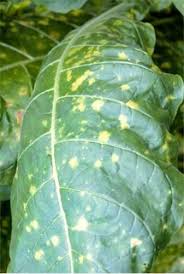
Downy mildew is caused by Peronospora tabacina, a fungal-like pathogen that thrives in humid conditions.
Symptoms
Yellow patches on upper leaf surface
Grey or bluish fungal growth on underside
Leaf curling
Premature leaf drop
Causes
High humidity
Dense planting
Poor air circulation
Management
Improve spacing between plants
Avoid overhead irrigation
Apply recommended fungicides
Remove infected leaves immediately
Early detection helps prevent major crop loss.
4. Tobacco Leaf Curl Disease
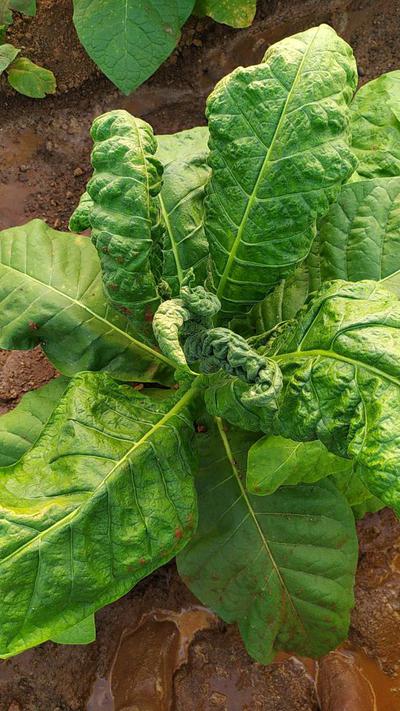
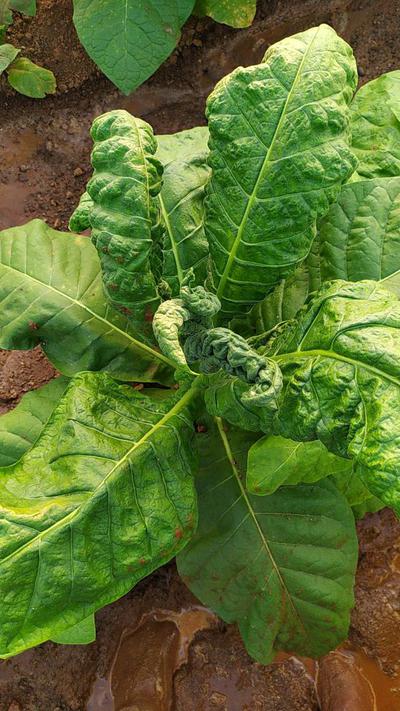
Tobacco leaf curl disease is caused by a virus transmitted by whiteflies.
Symptoms
Curling and crinkling of leaves
Thickened veins
Reduced leaf size
Poor plant growth
Causes
Whitefly infestation
Warm weather
Lack of pest control
Management
Control whiteflies using insecticides
Install yellow sticky traps
Use resistant varieties
Remove infected plants
Managing insect vectors is the most effective way to control viral diseases.
5. Bacterial Wilt in Tobacco
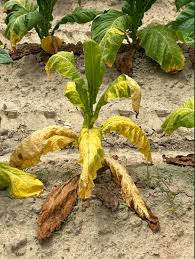
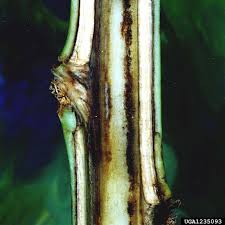
Bacterial wilt is caused by Ralstonia solanacearum, a soil-borne bacterium that infects plant vascular tissues.
Symptoms
Sudden wilting without yellowing
Brown discoloration inside stem
Slimy bacterial ooze when stem is cut
Causes
Contaminated soil
High soil moisture
Poor crop rotation
Management
Practice long crop rotation
Improve soil drainage
Use resistant cultivars
Remove infected plants promptly
Bacterial wilt spreads quickly under warm and humid conditions.
6. Brown Spot Disease
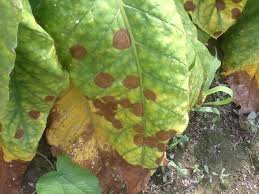
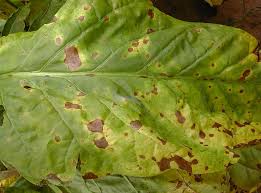
Brown spot is caused by the fungus Alternaria alternata is common in mature tobacco plants.
Symptoms
Circular brown spots with concentric rings
Yellow halo around lesions
Premature leaf drop
Causes
High humidity
Nutrient imbalance
Poor field sanitation
Management
Balanced fertilization
Remove infected leaves
Apply protective fungicides
Improve air circulation
Timely fungicide application helps minimize damage.
7. Damping-Off in Tobacco Seedlings
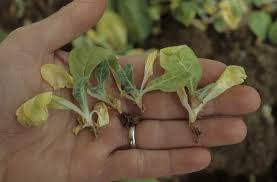
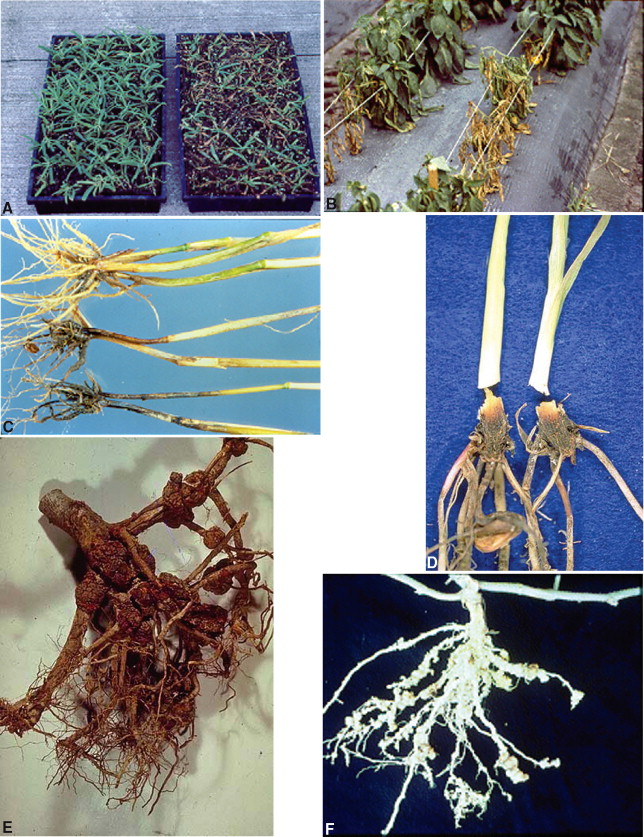
Damping-off affects young seedlings in nurseries and is caused by fungi like Pythium and Rhizoctonia.
Symptoms
Seedlings collapse at soil level
Soft, water-soaked stems
Poor germination
Causes
Excess moisture
Poor nursery hygiene
Dense sowing
Management
Sterilize nursery soil
Avoid overwatering
Use treated seeds
Ensure proper drainage
Healthy nursery management is key to preventing this disease.
8. Powdery Mildew in Tobacco
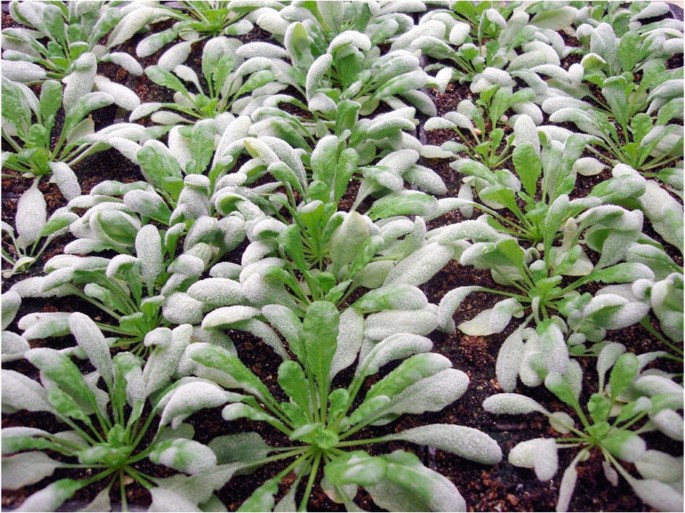
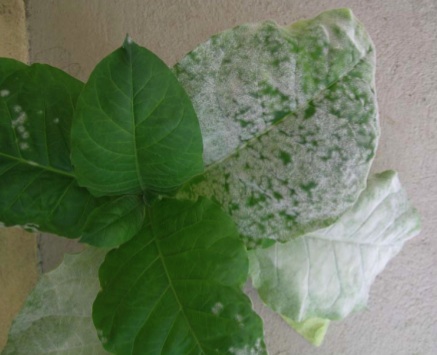
Powdery mildew is a fungal disease that appears during dry conditions with moderate humidity.
Symptoms
White powdery growth on leaves
Leaf discoloration
Reduced photosynthesis
Causes
Poor air circulation
Warm days and cool nights
Management
Apply sulfur-based fungicides
Maintain proper plant spacing
Remove infected leaves
Although not always severe, it reduces leaf quality.
Integrated Disease Management (IDM) in Tobacco
Effective disease control in tobacco requires an integrated approach:
1. Crop Rotation
Avoid planting tobacco continuously in the same field. Rotate with cereals or legumes.
2. Resistant Varieties
Select disease-resistant tobacco cultivars suitable for your region.
3. Field Sanitation
Remove plant debris and infected material regularly.
4. Balanced Fertilization
Avoid excessive nitrogen, which promotes disease susceptibility.
5. Proper Irrigation
Prevent waterlogging and maintain proper drainage.
6. Regular Field Monitoring
Early detection reduces disease spread and crop loss.
Economic Impact of Tobacco Diseases
Tobacco diseases can cause:
Yield reduction up to 30–70%
Poor leaf quality
Lower market prices
Increased input costs
Preventive management is more economical than curative measures.
Climate Change and Tobacco Diseases
Changing climate patterns influence disease incidence. Increased humidity and temperature fluctuations promote fungal and bacterial infections. Farmers should adapt by:
Adjusting planting dates
Using improved irrigation methods
Monitoring pest and disease forecasts
Conclusion
Common tobacco diseases pose a serious threat to tobacco farming, affecting both yield and quality. Diseases such as Black Shank, Tobacco Mosaic Virus, Downy Mildew, Leaf Curl, Bacterial Wilt, Brown Spot, Damping-Off, and Powdery Mildew can significantly impact crop productivity if not managed properly.
Successful disease management depends on early identification, preventive measures, resistant varieties, proper sanitation, and integrated crop management practices. By adopting scientific and sustainable farming methods, tobacco growers can minimize losses and maximize profits.
Regular monitoring, good agricultural practices, and timely intervention remain the foundation of healthy tobacco cultivation.