
Organic practices in tobacco farming are gaining popularity as farmers look for sustainable, eco-friendly, and cost-effective cultivation methods. With increasing demand for residue-free crops and environmentally responsible agriculture, organic tobacco farming offers a balanced approach that improves soil health, reduces chemical dependency, and enhances long-term farm productivity.
In this detailed guide, we will explore organic tobacco farming methods, soil preparation techniques, nutrient management, pest control strategies, and post-harvest handling practices that help farmers achieve better yield and quality sustainably.
What is Organic Tobacco Farming?
Organic tobacco farming refers to cultivating tobacco without synthetic fertilizers, chemical pesticides, herbicides, or growth regulators. Instead, it relies on:
Natural manures
Biofertilizers
Crop rotation
Biological pest control
Eco-friendly soil management techniques
The main goal is to maintain soil fertility, ecological balance, and biodiversity while producing high-quality tobacco leaves suitable for the market.
Importance of Organic Practices in Tobacco Farming
Organic farming methods provide multiple benefits:
1. Improved Soil Health
Continuous chemical use depletes soil nutrients and microbial activity. Organic inputs restore soil fertility and improve structure.
2. Cost Reduction
Over time, farmers reduce dependency on expensive chemical fertilizers and pesticides.
3. Better Leaf Quality
Balanced nutrition enhances leaf texture, elasticity, and curing quality.
4. Environmental Protection
Organic farming reduces groundwater contamination and protects beneficial insects.
5. Sustainable Yield
Long-term productivity improves due to enhanced soil microbial activity.
Soil Preparation in Organic Tobacco Farming
Soil is the foundation of successful organic tobacco cultivation.
Deep Ploughing
Deep ploughing during summer helps:
Destroy pests and weed seeds
Improve soil aeration
Enhance root penetration
Incorporation of Organic Matter
Add:
Farmyard manure (FYM)
Compost
Green manure crops
At least 8–10 tons of well-decomposed FYM per acre is recommended before transplanting.
Green Manuring
Growing crops like sunhemp or dhaincha and ploughing them back into the soil improves nitrogen content naturally.
Organic Nursery Management for Tobacco
Healthy seedlings ensure better crop establishment.
Raised Bed Preparation
Prepare raised nursery beds for proper drainage.
Mix compost and vermicompost into the topsoil.
Seed Treatment
Treat tobacco seeds with:
Trichoderma
Pseudomonas fluorescens
This prevents fungal infections like damping-off.
Organic Disease Management
Use neem cake and bio-fungicides instead of chemical treatments in nursery beds.
Nutrient Management in Organic Tobacco Farming
Balanced nutrition is critical for leaf quality and yield.
1. Farmyard Manure (FYM)
Improves soil texture and provides slow-release nutrients.
2. Vermicompost
Rich in micronutrients and beneficial microbes.
3. Oil Cakes
Neem cake
Castor cake
Groundnut cake
They provide nitrogen and protect roots from soil pests.
4. Biofertilizers
Azotobacter
Azospirillum
Phosphate-solubilizing bacteria (PSB)
These enhance nutrient availability.
5. Liquid Organic Fertilizers
Jeevamrutham
Panchagavya
Applied as a foliar spray to improve plant vigour.
Crop Rotation in Organic Tobacco Farming
Crop rotation prevents soil nutrient depletion and reduces pest buildup.
Suitable rotation crops:
Pulses (red gram, green gram)
Millets
Leguminous crops
Avoid continuous tobacco cultivation in the same field.
Weed Management in Organic Tobacco Fields
Without herbicides, weed control requires integrated methods.
Manual Weeding
Hand weeding at 20–30 days after transplanting.
Mulching
Organic mulching:
Reduces weed growth
Conserves soil moisture
Improves microbial activity
Intercultivation
Light hoeing improves aeration and controls weeds naturally.
Organic Pest Management in Tobacco
Tobacco crops face pests like the following:
Spodoptera (leaf-eating caterpillar)
Aphids
Whiteflies
Tobacco cutworm
Organic Control Methods
1. Neem-Based Products
Neem oil spray (3–5 ml per liter) controls sucking pests.
2. Biological Control Agents
Trichogramma
Bacillus thuringiensis (Bt)
3. Light Traps
Attract and reduce adult moth populations.
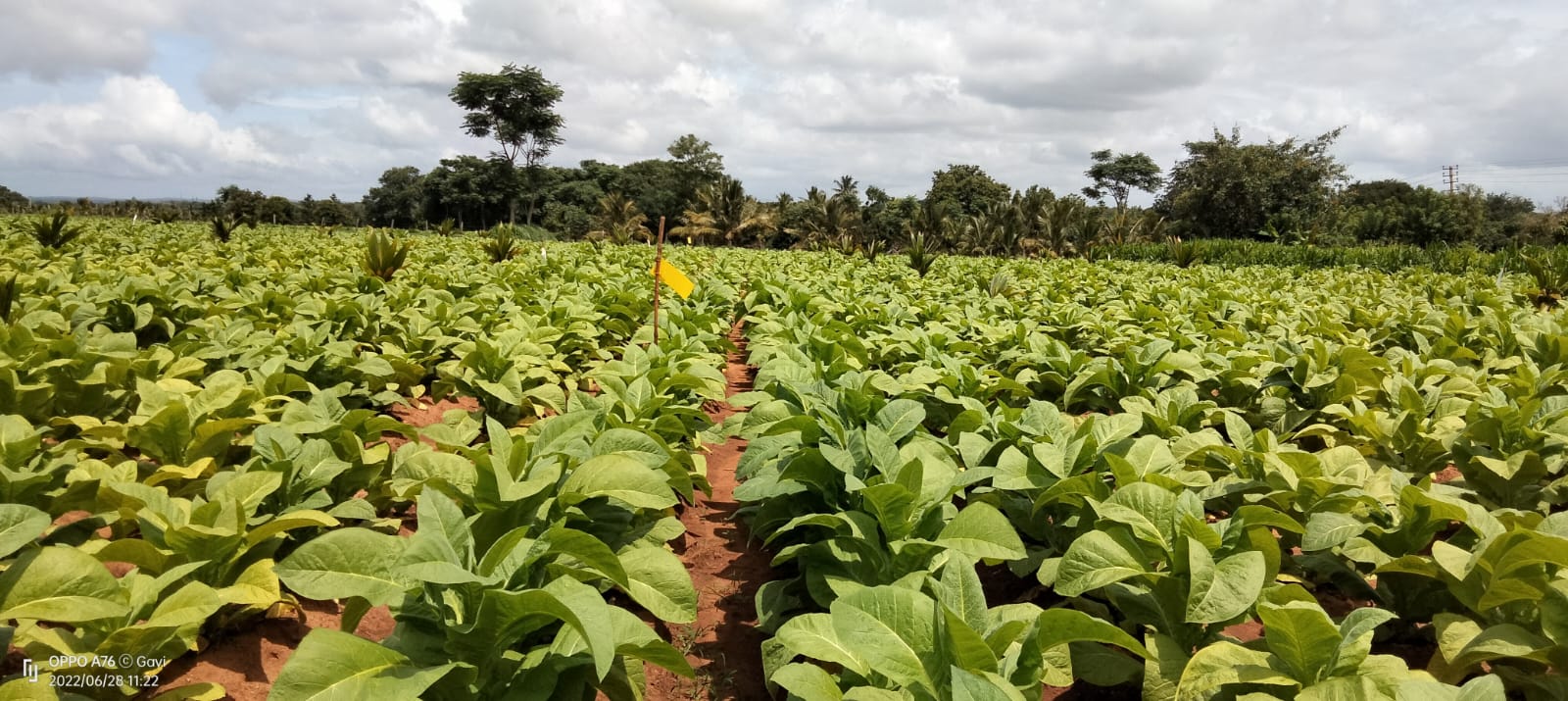
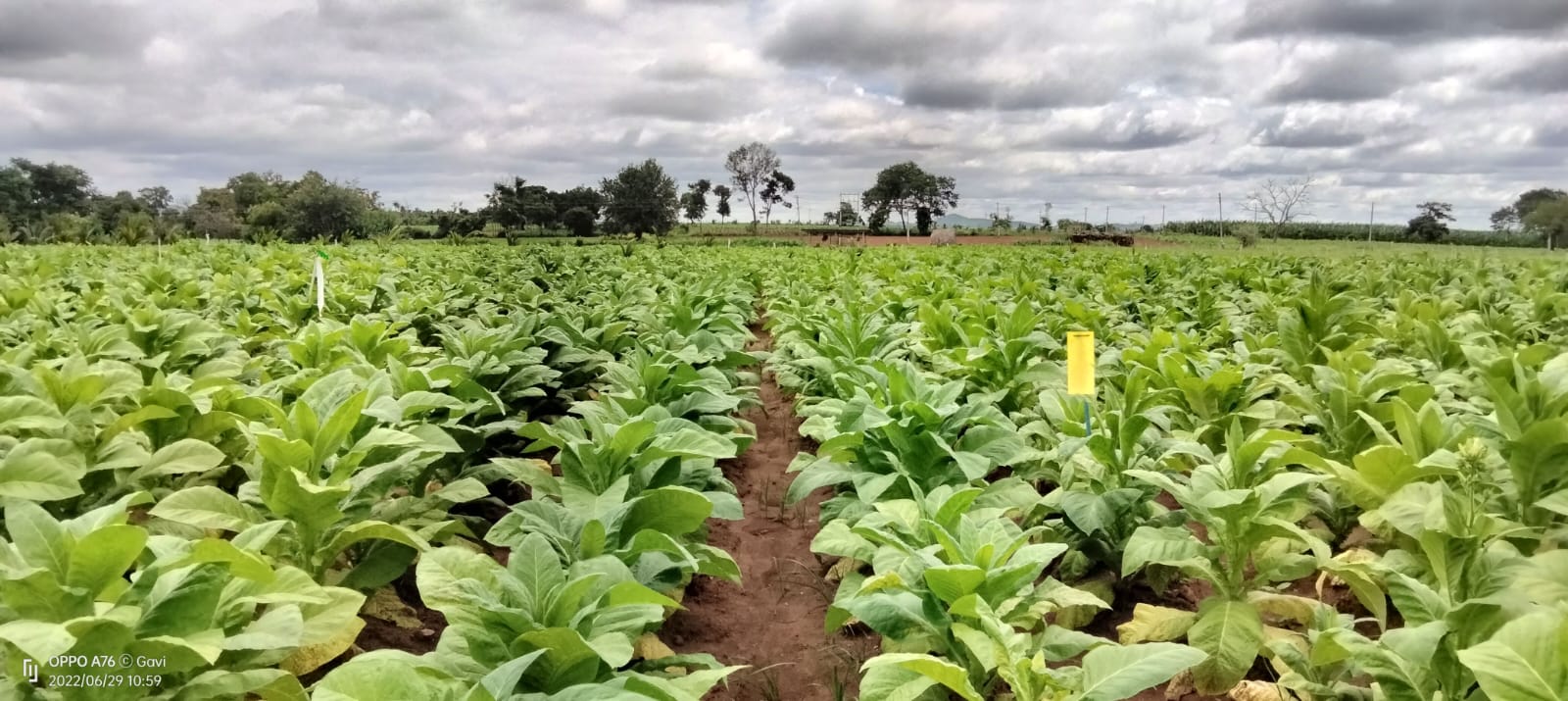
4. Sticky Traps
Yellow sticky traps help control aphids and whiteflies.
Organic Disease Management in Tobacco
Common diseases:
Damping-off
Leaf spots
Black shank
Preventive Measures
Proper drainage
Crop rotation
Resistant varieties
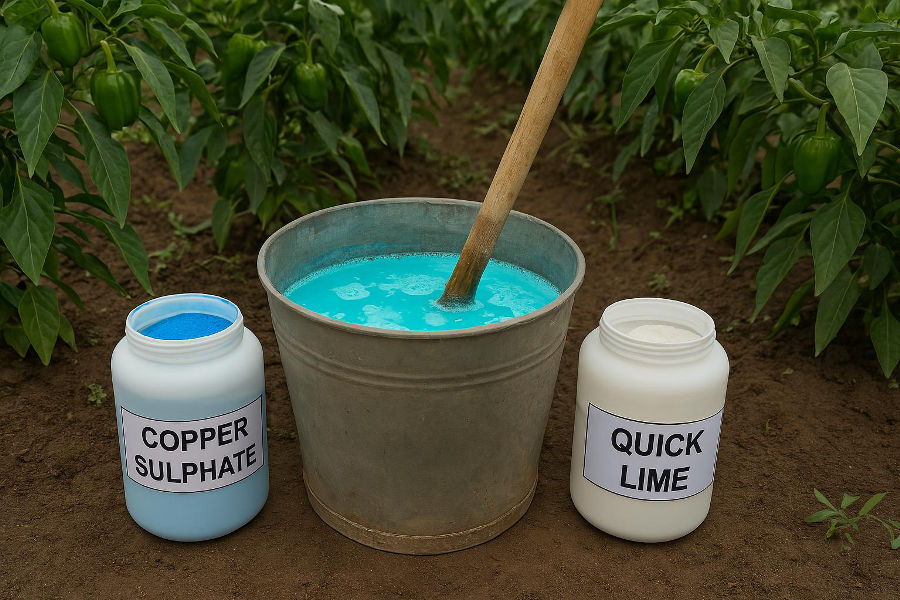
Organic Sprays
Bordeaux mixture (in limited organic-compliant use)

Trichoderma-based biofungicides
Buttermilk-based fermented solutions
Water Management in Organic Tobacco Farming
Tobacco requires controlled irrigation.
Avoid waterlogging.
Provide light irrigation at critical growth stages.
Drip irrigation improves water efficiency and reduces disease risk.
Organic farms focus on soil moisture retention through mulching and organic matter.
Topping and Sucker Management in Organic Tobacco
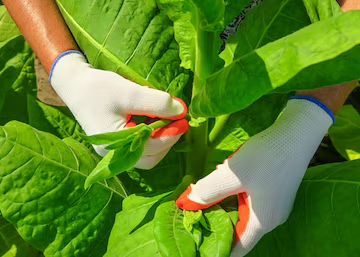
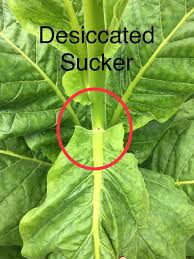
Topping improves leaf quality by removing flower buds.
For sucker control:
Use manual removal.
Avoid chemical suckericides.
Apply neem-based extracts if required.
Harvesting Practices in Organic Tobacco Farming
Proper harvesting ensures good curing quality.
Harvest mature leaves only.
Avoid overmature leaves.
Harvest in the early morning for better elasticity.
Organic Curing Practices
Curing affects tobacco colour and market value.
Air Curing
Used for certain tobacco types.
Flue Curing (if applicable)
Maintain correct temperature stages.
Organic growers must avoid chemical preservatives during curing.
Post-Harvest Handling in Organic Tobacco
Proper grading
Clean storage conditions
Avoid contamination with chemical residues
Use clean storage rooms with good ventilation.
Certification for Organic Tobacco Farming
To sell tobacco as organic:
Follow National Programme for Organic Production (NPOP) guidelines.
Maintain farm records.
Undergo inspection and certification process.
Certification increases market value and export potential.
Challenges in Organic Tobacco Farming
Initial yield reduction
Higher labor requirement
Limited organic inputs availability
Certification cost
However, long-term benefits outweigh initial challenges.
Future Scope of Organic Tobacco Cultivation
With increasing global demand for sustainable agriculture, organic tobacco farming offers:
Export opportunities
Premium pricing
Environmental sustainability
Reduced input dependency
Farmers adopting organic practices can build a strong brand value and access niche markets.
Conclusion
Organic practices in tobacco farming provide a sustainable pathway for farmers seeking eco-friendly and cost-effective cultivation methods. By focusing on soil health, natural nutrient management, biological pest control, and proper post-harvest handling, farmers can improve both crop quality and long-term productivity.
Transitioning to organic tobacco farming requires planning, patience, and knowledge. However, with proper management and adherence to organic standards, it can lead to improved soil fertility, better market value, and sustainable agricultural success.