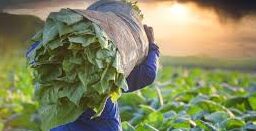
Tobacco is a highly sensitive commercial crop whose yield, leaf quality, aroma, and burning characteristics depend greatly on soil conditions. Selecting the right soil is one of the most important factors for successful tobacco cultivation. Even small variations in soil texture, fertility, drainage, and pH can significantly influence leaf size, thickness, nicotine content, and overall market value. Therefore, understanding the best soil requirements for tobacco farming is essential for farmers aiming for quality production and sustainable practices.
Ideal Soil Texture for Tobacco
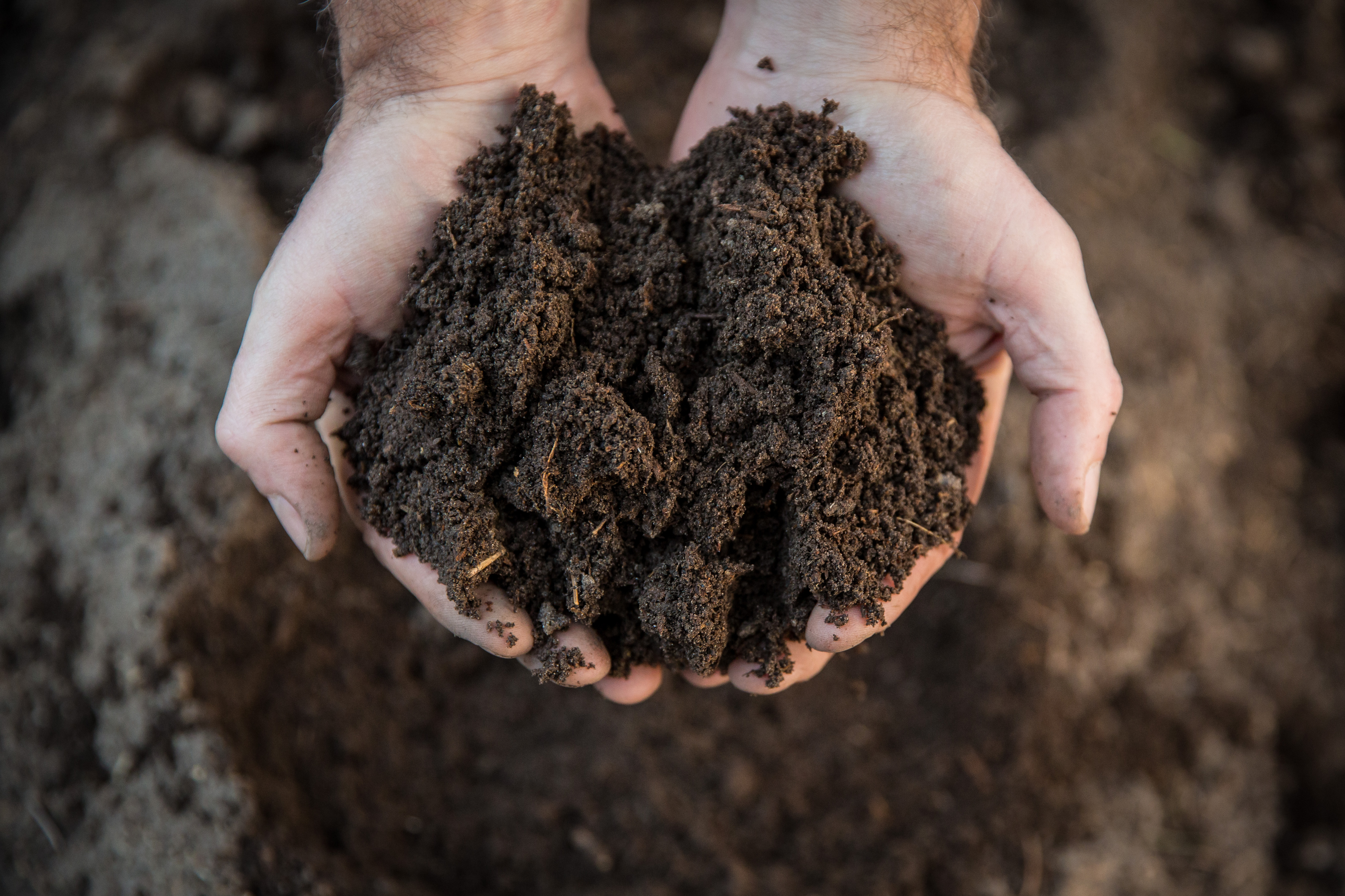
The best soil for tobacco farming is well-drained, light to medium-textured soil. Sandy loam and loam soils are generally considered ideal. These soils provide a balanced structure that allows good root development, proper aeration, and efficient water movement.
Sandy loam soils are preferred for flue-cured and cigarette tobacco because they promote thin leaves with good color and aroma.
Loam soils are suitable for burley and chewing tobacco, as they retain moderate moisture and nutrients.
Clay loam soils can be used if drainage is excellent, but heavy clay soils are usually unsuitable because they retain excess water and restrict root growth.
Loose and friable soil enables tobacco roots to grow deeper, improving nutrient uptake and drought tolerance.
Soil Drainage and Aeration
Proper drainage is critical in tobacco cultivation. Tobacco plants are extremely sensitive to waterlogging. Poorly drained soils can lead to root rot, nutrient imbalance, stunted growth, and poor leaf quality.
Well-aerated soils:
Improve root respiration
Enhance microbial activity
Reduce disease risk
Promote uniform plant growth
Fields with natural slopes or raised beds are often preferred to prevent standing water. Farmers should avoid low-lying areas where rainwater accumulates.
Soil pH Requirements
Tobacco grows best in soils with a slightly acidic pH range of 5.5 to 6.5. Soil pH plays a major role in nutrient availability and nicotine formation.
Low pH soils (below 5.0) may cause calcium and magnesium deficiencies.
High pH soils (above 7.0) can reduce leaf quality and burning properties.
Regular soil testing and pH correction using lime or organic amendments help maintain optimal conditions for tobacco growth.
Soil Fertility and Nutrient Balance
Tobacco requires a moderate level of soil fertility, not excessive richness. Over-fertile soils, especially with high nitrogen content, can result in thick, dark leaves with poor burning quality.
Key nutrients for tobacco include:
Nitrogen (N): Promotes leaf growth but must be carefully controlled.
Phosphorus (P): Supports root development and early plant vigor.
Potassium (K): Essential for leaf quality, elasticity, and burning properties.
Calcium and Magnesium: Improve leaf texture and plant health.
Balanced nutrient management is crucial. Organic matter content of around 1.5% to 3% is considered ideal for maintaining soil structure and microbial activity without overstimulating growth.
Organic Matter and Soil Health
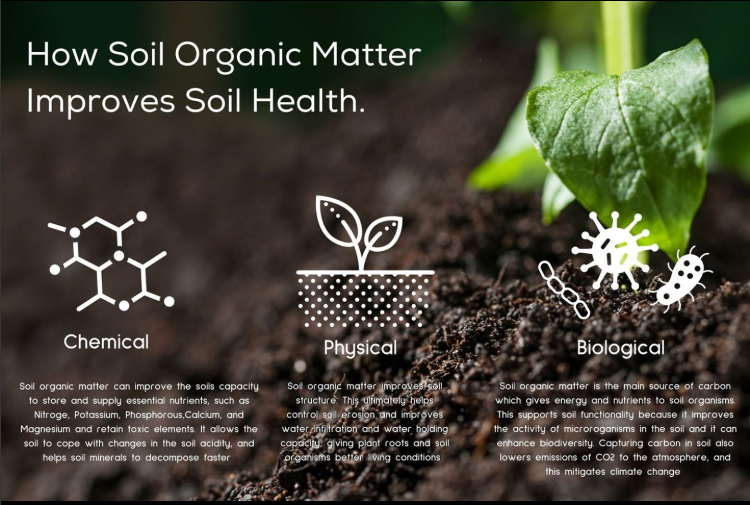
Moderate organic matter improves soil structure, moisture retention, and nutrient availability. However, excessive organic matter can increase nitrogen levels, leading to lower leaf quality.
Practices such as
Crop rotation
Green manuring
Compost application in controlled amounts
help maintain long-term soil health and sustainability. Healthy soils reduce dependency on chemical inputs and improve resilience against pests and diseases.
Soil Type Suitability by Tobacco Variety
Different tobacco types prefer slightly different soil conditions:
Flue-cured tobacco: Light sandy loam soils with low nitrogen
Burley tobacco: Well-drained loam soils with moderate fertility
Bidi tobacco: Red loamy soils and light black soils
Chewing and cigar tobacco: Fertile loam soils with good moisture retention
Understanding soil-variety compatibility helps farmers select the right land for specific tobacco types.
Avoiding Unsuitable Soils
Certain soil types are generally unsuitable for tobacco farming:
Heavy clay soils with poor drainage
Saline or alkaline soils
Very shallow soils
Highly fertile soils rich in nitrogen
Such soils can negatively affect plant growth, leaf curing quality, and market acceptance.
Importance of Soil Testing
Soil testing before planting is a recommended practice in tobacco farming. It helps determine:
Soil pH
Nutrient status
Organic matter content
Salinity levels
Based on test results, farmers can apply appropriate amendments and fertilizers, ensuring efficient input use and better crop performance.
Sustainable Soil Management Practices
Sustainable soil management ensures long-term productivity and environmental protection. Best practices include:
Crop rotation with legumes or cereals
Controlled fertilizer application
Mulching to prevent erosion
Minimum tillage to preserve soil structure
Use of organic inputs where suitable
These practices improve soil quality while maintaining consistent tobacco yields.
Conclusion
The best soil for tobacco farming is well-drained sandy loam or loam soil with a slightly acidic pH, moderate fertility, and good aeration. Soil conditions directly influence tobacco leaf quality, nicotine content, curing performance, and market value. By selecting suitable soil, maintaining balanced nutrients, and following sustainable soil management practices, farmers can achieve high-quality tobacco production while preserving soil health for future cultivation.