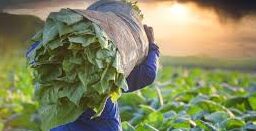
Tobacco Crop Climate Requirements: An Eco-Friendly Guide for Sustainable Cultivation
Tobacco is one of the world’s most widely cultivated commercial crops, grown across tropical and subtropical regions. While tobacco farming has traditionally focused on yield and quality, modern agriculture increasingly emphasizes eco-friendly and climate-smart practices. Understanding the climate requirements of the tobacco crop is essential not only for achieving good leaf quality but also for ensuring sustainable land use, soil health, and environmental balance.
This article provides a comprehensive overview of tobacco crop climate requirements, including temperature, rainfall, humidity, sunlight, soil-climate interaction, and climate change adaptation—while highlighting environmentally responsible cultivation practices.
1. Importance of Climate in Tobacco Cultivation
Climate plays a decisive role in determining:
Germination success
Plant growth and leaf development
Nicotine and sugar content
Leaf texture, color, and aroma
Pest and disease incidence
Unlike many food crops, tobacco quality depends more on controlled stress conditions rather than excessive fertility or water. Therefore, understanding the right climatic balance is crucial for producing high-quality tobacco while minimizing environmental harm.
2. Ideal Temperature Requirements for Tobacco Crop
2.1 Optimal Temperature Range
Tobacco is a warm-season crop. The ideal temperature range varies slightly depending on the variety, but generally:
Germination: 20°C – 30°C
Vegetative growth: 22°C – 28°C
Maturity and leaf ripening: 18°C – 26°C
Temperatures below 15°C slow plant growth, while temperatures above 35°C may cause leaf scorching, moisture stress, and reduced quality.
2.2 Eco-Friendly Temperature Management
To maintain suitable temperatures naturally:
Use mulching to regulate soil temperature
Prefer seasonal sowing instead of artificial heating
Select locally adapted tobacco varieties
Avoiding energy-intensive climate control systems reduces carbon emissions and promotes sustainable farming.
3. Rainfall and Water Requirements
3.1 Ideal Rainfall Range
Tobacco requires moderate and well-distributed rainfall during its growth period.
Annual rainfall requirement: 600 – 1,000 mm
Critical stages: Transplanting, early growth, and leaf expansion
Excess rainfall can cause waterlogging, root diseases, and nutrient leaching, while drought stress can reduce leaf size and elasticity.
3.2 Water Management for Sustainability
Eco-friendly water practices include:
Drip irrigation to minimize water wastage
Rainwater harvesting for supplemental irrigation
Scheduling irrigation based on soil moisture rather than fixed intervals
Over-irrigation not only harms the crop but also depletes groundwater resources, making efficient water use essential.
4. Humidity Requirements and Their Impact
4.1 Ideal Relative Humidity
Humidity significantly affects leaf growth, curing quality, and disease development.
Optimal relative humidity: 60% – 80%
Low humidity causes leaf brittleness
High humidity encourages fungal diseases
Balanced humidity helps maintain leaf flexibility and improves curing outcomes.
4.2 Environmentally Responsible Humidity Control
Instead of chemical controls:
Ensure proper plant spacing for air circulation
Use windbreaks and shelterbelts.
Adopt organic disease prevention methods
These practices help regulate humidity naturally while protecting beneficial insects and soil microbes.
5. Sunlight and Photoperiod Requirements
5.1 Sunlight Needs of Tobacco Crop
Tobacco is a sun-loving plant that requires:
- 6–8 hours of direct sunlight per day
Bright but not excessively harsh conditions
Sunlight influences:
Leaf thickness
Nicotine synthesis
Sugar accumulation
Too much intense sunlight may cause leaf burn, while insufficient light leads to poor leaf quality.
5.2 Sustainable Sunlight Management
Eco-friendly approaches include:
Strategic planting orientation
Intercropping with compatible crops
Using natural shade during extreme heat
These methods reduce heat stress without artificial shading materials.
6. Climate-Soil Interaction in Tobacco Cultivation
Climate and soil work together to determine tobacco performance.
6.1 Ideal Soil Conditions Under Suitable Climate
Well-drained sandy loam or loam soils
Soil pH: 5.5 – 6.5
Low to moderate fertility
Under favorable climatic conditions, these soils promote deep root growth and good leaf texture.
6.2 Eco-Friendly Soil Management
To enhance soil-climate harmony:
Use organic compost and green manure
Practice crop rotation
Avoid excessive chemical fertilizers
Healthy soil improves water retention and resilience against climatic stress.
7. Climatic Requirements of Major Tobacco Types
Different tobacco varieties have slightly different climate preferences:
7.1 Flue-Cured Tobacco
Warm days and cool nights
Moderate rainfall
Low humidity during curing
7.2 Burley Tobacco
Cooler temperatures
Higher rainfall tolerance
Moderate sunlight
7.3 Oriental Tobacco
Dry climate
Low rainfall
High sunlight exposure
Selecting the right variety for local climatic conditions reduces resource use and environmental impact.
8. Climate Stress and Its Effects on Tobacco Crop
Climate stress can significantly affect tobacco quality and yield.
8.1 Heat Stress
Reduced leaf size
Increased water loss
Lower curing quality
8.2 Drought Stress
Poor root development
Thick, coarse leaves
Reduced elasticity
8.3 Excess Rainfall Stress
Root rot
Nutrient leaching
Increased disease pressure
Climate-resilient farming methods are essential to manage these risks sustainably.
9. Climate Change and Tobacco Cultivation
Climate change has introduced new challenges to tobacco farming:
Rising temperatures
Irregular rainfall patterns
Increased pest and disease outbreaks
These changes demand adaptive and eco-friendly solutions.
9.1 Climate-Smart Adaptation Strategies
Use climate-resilient tobacco varieties
Adjust sowing and transplanting dates
Improve soil organic matter
Promote biodiversity around farms
These strategies help reduce vulnerability while protecting the environment.
10. Eco-Friendly Tobacco Farming Practices Linked to Climate
Sustainable tobacco cultivation aligns climate management with environmental care.
10.1 Reduced Chemical Dependence
Integrated Pest Management (IPM)
Organic soil amendments
Biological pest control
10.2 Energy-Efficient Curing Methods
Use renewable energy sources
Improve barn insulation
Optimize curing schedules
Reducing fuel consumption during curing lowers greenhouse gas emissions.
11. Role of Farmers in Climate-Responsible Tobacco Cultivation
Farmers play a vital role in promoting eco-friendly tobacco farming by:
Observing local climate trends
Adopting sustainable water and soil practices
Reducing environmental footprint
Educated decision-making ensures long-term productivity and ecological balance.
12. Conclusion
Understanding tobacco crop climate requirements is fundamental for producing high-quality leaves while maintaining environmental sustainability. Temperature, rainfall, humidity, sunlight, and soil-climate interaction together shape tobacco growth and quality. As climate change continues to impact agriculture, adopting eco-friendly and climate-smart practices is no longer optional—it is essential.
Sustainable tobacco cultivation not only protects natural resources but also ensures the livelihood of farming communities for future generations. By aligning traditional knowledge with modern ecological practices, tobacco farming can move toward a more responsible and resilient future.